Port Isabel Pest Control for a Working Shrimp Town
Port Isabel earns its living off the water, not just beside it. The shrimp basin and the seafood trade are the starting point for understanding pests here.
The shrimp basin sets the terms
Port Isabel is a working seafood port before it is anything else. The commercial shrimp and fishing fleet, the docks, and the processing and handling tied to them define the town's economy, and that economic engine is where its pest pattern begins. Seafood handling means organic material and waste at scale; the boat basin and bayfront mean constant salt-air moisture; together they create a baseline of roach and rodent pressure that a purely residential town never generates.
The historic blocks clustered around the Port Isabel Lighthouse and the old waterfront district sit right in that environment. For properties there, the working basin is not a distant industry but the conditions immediately outside, and the pest plan has to start from that rather than from a generic coastal template.
Salt air, humidity, and the moisture-followers
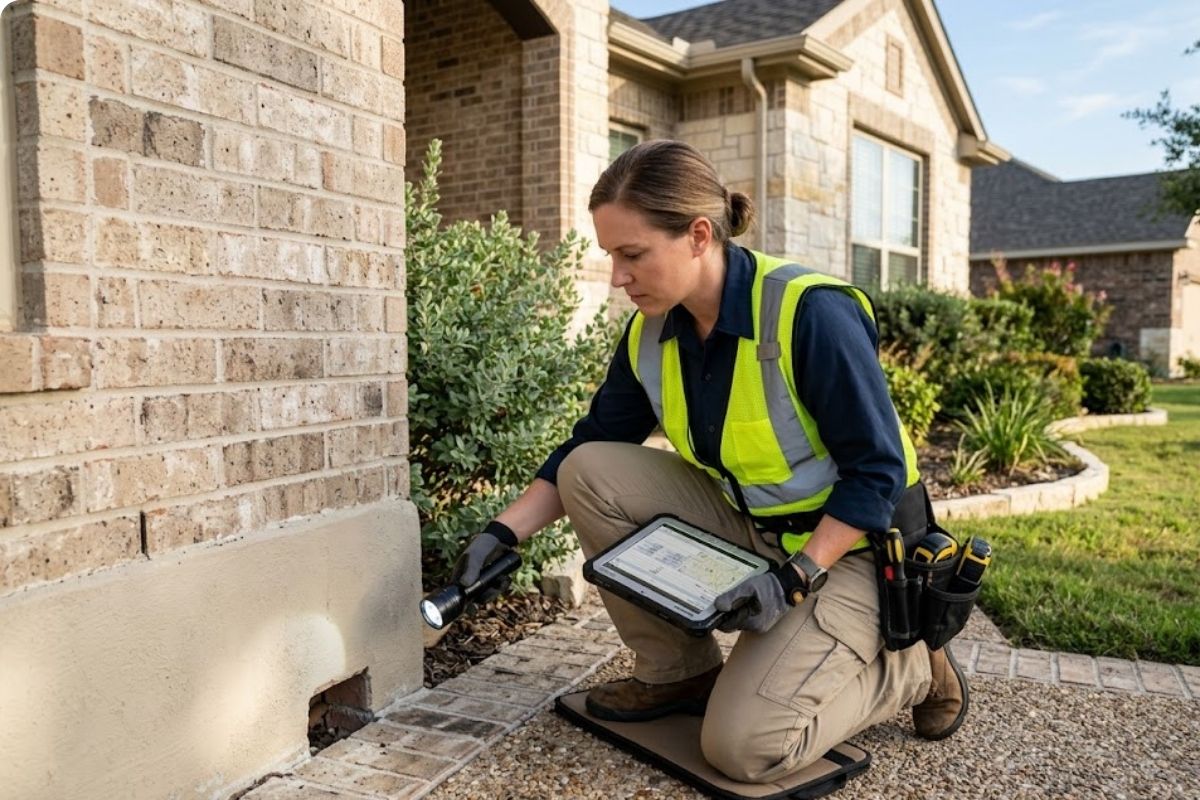
The Laguna Madre keeps the air over Port Isabel heavy with salt moisture, and because the climate gives no real winter, that humidity is a year-round condition rather than a summer one. Moisture-following pests respond accordingly. American roaches push toward the damp interior conditions through weep holes, plumbing penetrations, and door gaps, and the older waterfront-district housing, with its aging seals and decades of exposure, gives them more ways in than newer construction does.
The honest framing is that humidity here is not a season to wait out; it is the standing climate the pests are built around. Treatment that accounts for the moisture and the entry points tends to hold; treatment that only chases the roach indoors does not, because the conditions drawing it never let up.
Visitor turnover and the bed bug route
Port Isabel also carries the coastal-town visitor pattern. Properties that take guests or change hands seasonally, common in a destination beside the causeway, face the bed bug route that turnover always brings: bed bugs travel in on luggage and belongings between occupants, and no amount of cleanliness at a property stops an introduction from the next arrival. This is a different problem from the basin-driven roach and rodent pressure, and it is handled differently, by mapping how far an introduction has spread rather than treating a single room.
Pest problem in Port Isabel? Call now.
Call (831) 703-7142 — Mon–Sat 7AM–7PM. No forms, just a real local team.
Call (831) 703-7142How the work is shaped for Port Isabel
An effective Port Isabel plan is matched to which of these a property faces. Basin-adjacent and older waterfront homes get attention to the moisture, the seafood-handling pressure, and the aging entry points sustaining roaches and rodents. Turnover and guest properties get turnover-aware bed bug work that maps spread rather than spot-treating. Because the salt-air humidity and the working port never pause seasonally, this is recurring work rather than a single visit, which we say plainly rather than overselling a one-time cure.
We work out of 3144 Boca Chica Blvd in Brownsville, Monday through Saturday, 7AM to 7PM, and serve Port Isabel along with nearby Laguna Vista, South Padre Island, and Laguna Heights, so a turnover-driven problem moving along this coast is handled consistently. Any covered pest that resurfaces between scheduled Port Isabel visits is treated again at no cost to you. Call (831) 703-7142 and tell us whether the property is basin-adjacent, an older waterfront home, or a turnover rental, since each is a different job here.
Nearby areas we also serve
Frequently Asked Questions
Seafood handling at scale plus constant boat-basin and bayfront moisture create a baseline of roach and rodent pressure a residential town never generates. For waterfront-district properties those conditions are immediately outside, not a distant industry.
Yes. The Laguna Madre keeps salt moisture in the air and the climate gives no real winter, so humidity is a standing condition, not a season to wait out. Moisture-following roaches respond to that all year.
Aging waterfront-district housing has older seals and decades of salt-air exposure, giving American roaches more entry points through weep holes, plumbing gaps, and doors than newer construction offers.
Visitor and seasonal turnover is the classic bed bug route. They travel in on luggage and belongings between occupants regardless of how clean a property is kept, so turnover keeps reintroducing them.
We serve Port Isabel along with nearby Laguna Vista, South Padre Island, and Laguna Heights, which matters because turnover-driven pests routinely move between adjacent communities on this coast.
Should a covered pest resurface between scheduled visits, the re-treatment is included at no cost. For basin-adjacent and turnover properties a recurring plan is usually the honest recommendation given the constant conditions.