Stink Bug Control in Brownsville, TX
Prevention and treatment for stink bugs invading homes and commercial structures in the Valley.
Stink Bug Invasions in South Texas
Stink bug control is the prevention, exclusion, and treatment of shield-shaped stink bug species that invade structures in large numbers, particularly during seasonal temperature shifts, releasing a foul odor when disturbed or crushed.
The brown marmorated stink bug (BMSB) has expanded its range across Texas in recent years, and the Rio Grande Valley is not exempt. South Texas also has native species, including the green stink bug and the brown stink bug. Both have long been farm pests in the citrus and produce operations between Brownsville and McAllen. That includes the groves around Weslaco and Mercedes.
Stink bugs become a structural pest when they seek overwintering shelter inside homes and commercial buildings. In the RGV, this typically happens during the brief cool snaps in November through February — a few cold nights are enough to trigger mass entry into any warm structure with accessible gaps. Homeowners find them clustered on sunny exterior walls — much like crickets clustering near building lights, in window tracks, between curtain folds, and in attic spaces.
Why Stink Bugs Are Hard to Control
Stink bugs present a unique pest control challenge: crushing or vacuuming them releases the defensive odor that gives them their name — a pungent, cilantro-like chemical smell that lingers on surfaces. Spraying insecticide directly on a group of stink bugs often kills them in place, but the dying bugs release the same odor, staining walls and creating a smell problem alongside the pest problem.
The most effective approach is preventing entry in the first place. A thorough pest inspection identifies every gap before the first cold snap. Once stink bugs are established inside wall voids and attic spaces, removal becomes a multi-visit process of trapping, vacuuming (with a dedicated vacuum that gets sealed and emptied outdoors), and residual treatment of harborage areas.
Our Stink Bug Prevention and Treatment Process
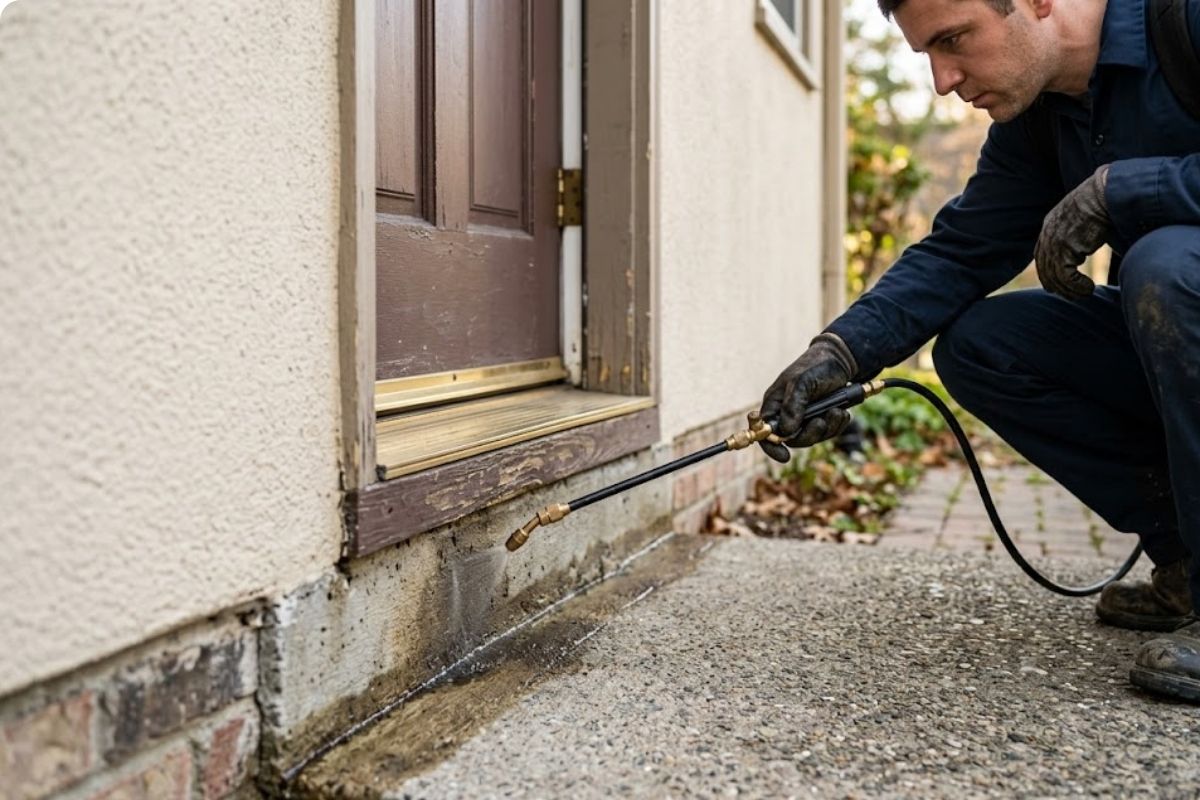
We focus on exclusion and exterior perimeter treatment before stink bugs enter. The inspection covers every potential entry point: window screen tears, door sweep gaps, attic vents without screening, soffit gaps, utility penetrations, and weep holes. We seal accessible entry points and apply a residual exterior spray as part of our residential pest control exclusion protocol to sunny-side walls and window frames where stink bugs cluster before entering.
For existing indoor populations, we use dedicated vacuum removal of visible bugs, followed by dust treatment in wall voids and attic spaces where hidden populations harbor. We schedule removal work carefully to minimize odor release — slow, deliberate extraction rather than mass crushing.
Need stink bug control in Brownsville?
Call (831) 703-7142 — Mon–Sat 7AM–7PM. No forms, just a real local team.
Call (831) 703-7142Stink Bug Treatment Cost
Preventive exterior perimeter treatment runs $110–$175 and is most effective when applied in early fall before the first cool snap triggers entry behavior. Interior removal of established populations is $150–$250 depending on the scope of the infestation and the number of harborage areas involved.
Frequently Asked Questions
Stink bugs enter structures seeking warmth during cool weather. In Brownsville, the brief cold snaps in November through February trigger mass entry into homes through gaps around windows, doors, attic vents, and utility penetrations.
Yes. Crushed stink bugs release a defensive chemical with a strong, persistent odor. We recommend against crushing — dedicated vacuum removal with outdoor disposal is the preferred approach for visible bugs.
Preventive exterior treatment is most effective in early fall (October–November) before the first cold snap triggers entry behavior. This is proactive — once they are inside wall voids, removal is more difficult and expensive.
No. Stink bugs are herbivores that feed on plant sap. They do not bite, sting, or transmit disease. Their only defense is the foul-smelling chemical they release.
Preventive exterior treatment runs $110–$175. Interior removal of established populations is $150–$250 depending on infestation scope.
Stink bugs do not cause structural damage. However, the defensive secretion they release can stain walls, curtains, and upholstery. Large populations in wall voids can also produce a persistent background odor.
Dead stink bugs in wall voids and attic spaces can attract carpet beetles and other scavenger insects — the same secondary-pest dynamic we see with <a href="/services/cricket-control/">cricket infestations</a>. Dead stink bugs and other scavenger insects — the same secondary-pest dynamic we see with <a href="/services/cricket-control/">cricket infestations</a> and other scavenger insects. Addressing stink bug populations before they die inside walls prevents this secondary issue.
You can, but the odor will linger inside the vacuum. We recommend using a dedicated shop vacuum with a bag that can be sealed and discarded outdoors immediately after use.
Yes. Stink bugs are significant agricultural pests in the RGV's citrus and produce industries. The structural invasion issue is secondary to their agricultural impact in this region.