Tick Control in Brownsville, TX
Targeted tick treatment for yards, pets, and families across the Rio Grande Valley.
Why Ticks Are a Growing Concern in South Texas
Tick control is the identification, treatment, and prevention of tick species that feed on humans, pets, and livestock in and around residential and commercial properties.
Brownsville sits in one of the most active tick corridors in the United States. The warm, humid Gulf Coast climate means ticks remain active nearly year-round here, with peak pressure from March through November. Unlike cities farther north that get a winter reprieve, the Rio Grande Valley rarely sees sustained freezes that knock back tick populations.
The brush country around Cameron County is ideal tick habitat, and it sits within walking distance of backyards in Brownsville, Harlingen, and San Benito. Mesquite thickets, tall grass along resaca banks, and overgrown fence lines near rural subdivisions are the worst of it, especially near Los Fresnos and the Laguna Atascosa corridor. Deer, feral hogs, and stray dogs carry ticks from brush into residential areas daily.
Tick Species We Encounter in the RGV
The three species our technicians encounter most in Cameron and Hidalgo counties are the American dog tick (Dermacentor variabilis), the lone star tick (Amblyomma americanum), and the brown dog tick (Rhipicephalus sanguineus). Each has different feeding behavior, habitat preference, and disease risk.
American dog ticks are the large species people most often find on themselves after walking through tall grass near Resaca de la Palma or along the levee trails. Lone star ticks are aggressive biters that actively pursue hosts — they are the ones that seem to find you even in your own backyard. Brown dog ticks are unique because they complete their entire life cycle indoors, much like the fleas that share the same canine hosts, making them the primary species found inside Brownsville homes and kennels.
How We Treat Tick Infestations
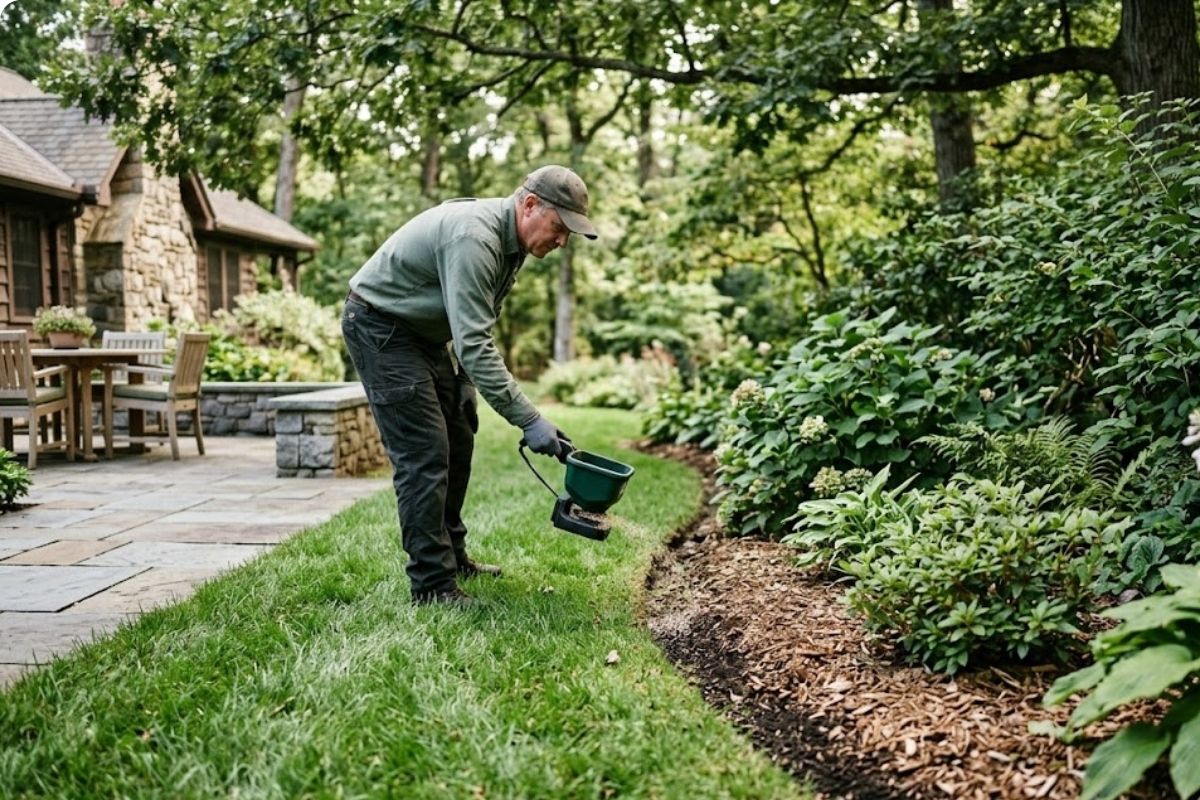
Our tick control program works on three levels. First, we apply a residual perimeter spray around the foundation, fence lines, and any brush or tall-grass edges of your property. This creates a treated barrier between tick habitat and your living space. Second, we treat the yard itself — focusing on shaded, moist areas under trees, along fence lines, and around outdoor pet areas where ticks concentrate. Third, we address any indoor brown dog tick infestations with targeted crack-and-crevice applications in kennels, baseboards, and carpet edges.
For properties backing up to brush country or resaca banks — common in south Brownsville and San Benito — we recommend monthly treatments during peak season rather than one-time service. Ticks migrate continuously from untreated wild areas, and a single application cannot hold back that pressure indefinitely.
Need tick control in Brownsville?
Call (831) 703-7142 — Mon–Sat 7AM–7PM. No forms, just a real local team.
Call (831) 703-7142Tick-Borne Disease Risk in the Valley
Ticks in the Rio Grande Valley carry real disease risk. The lone star tick transmits ehrlichiosis and can trigger alpha-gal syndrome (a red-meat allergy that develops after a bite). American dog ticks carry Rocky Mountain spotted fever, despite the misleading name — RMSF cases occur in South Texas regularly. Brown dog ticks carry canine ehrlichiosis, a serious threat to dogs.
These are not hypothetical risks. Cameron County has documented cases of ehrlichiosis and RMSF in recent years. Combined with mosquito-borne illness already present in the Valley, tick prevention is a critical part of outdoor pest management. If you or your pets spend time outdoors in Brownsville, professional tick control is a health investment, not just a convenience.
Cost of Tick Control in Brownsville
A single yard treatment typically runs $120–$200 depending on property size. Monthly seasonal plans (March through November, 9 treatments) range from $85–$150 per visit with a service agreement. One-time interior treatments for brown dog tick infestations are quoted on-site because severity varies widely — a light case in one room is different from a full-house infestation in a multi-dog household.
| Species | Size | Primary Host | Disease Risk | Found Indoors? |
|---|---|---|---|---|
| American Dog Tick | 3–5mm (up to 15mm engorged) | Humans, dogs | Rocky Mountain Spotted Fever | Rarely |
| Lone Star Tick | 3–4mm | Humans, deer, dogs | Ehrlichiosis, Alpha-Gal | No |
| Brown Dog Tick | 3mm | Dogs (rarely humans) | Canine Ehrlichiosis | Yes — completes full lifecycle indoors |
Frequently Asked Questions
Ticks are active nearly year-round in the Rio Grande Valley, but peak pressure runs from March through November. We see the highest call volume in April and May when lone star ticks become aggressive.
Brown dog ticks can complete their entire life cycle indoors. If you have dogs and find small reddish-brown ticks on walls, baseboards, or in crate areas, you likely have an indoor infestation that requires professional treatment.
Single treatments run $120–$200 depending on yard size. Seasonal monthly plans are $85–$150 per visit. Interior brown dog tick treatments are quoted on-site.
We use products labeled for residential use around pets. We ask that pets stay off treated areas until dry, typically 30–60 minutes. We coordinate timing with you before application.
Properties near brush or resaca banks benefit from monthly treatments during peak season. Suburban yards with minimal wild-area exposure may only need quarterly perimeter treatments.
Yes. Lone star ticks carry ehrlichiosis and can trigger alpha-gal syndrome. American dog ticks carry Rocky Mountain spotted fever. Cameron County has documented cases of both.
Shaded, moist areas — under trees, along fence lines, around brush piles, and in tall grass. Ticks avoid direct sun and dry open lawn. Treatment focuses on these transition zones.
No. We treat the environment — your yard, perimeter, and home. For on-animal tick treatment, consult your veterinarian about topical or oral preventatives.
One treatment significantly reduces the population but does not prevent re-introduction from wild areas. Properties near brush need ongoing seasonal treatment to maintain control.